Vellox logo – Florida-based, veteran-owned engineering company developing SpinG™ power and SpinG™ Nexus™ AI infrastructure

FLORIDA BASED
VETERAN OWNED
ENGINEERING
A MORE RESILIENT WORLD

SpinG™

Remora™ + Electric Power Generator = SpinG™

Converting mechanical rotation into electrical power.

What is SpinG™?

SpinG™ stands for Spinning Generator — Vellox’s concept for electric power generation using Remora™ as the prime mover.

Every generator needs a prime mover to turn its shaft: a diesel engine in a diesel-electric generator, moving water in a hydroelectric plant, wind in a wind turbine. In SpinG™, Remora™ provides the controlled torque and rotation, and a conventional electric generator converts that rotation into electrical power.

The same configuration can be adapted to different generator capacities and combined into multi-generator installations.

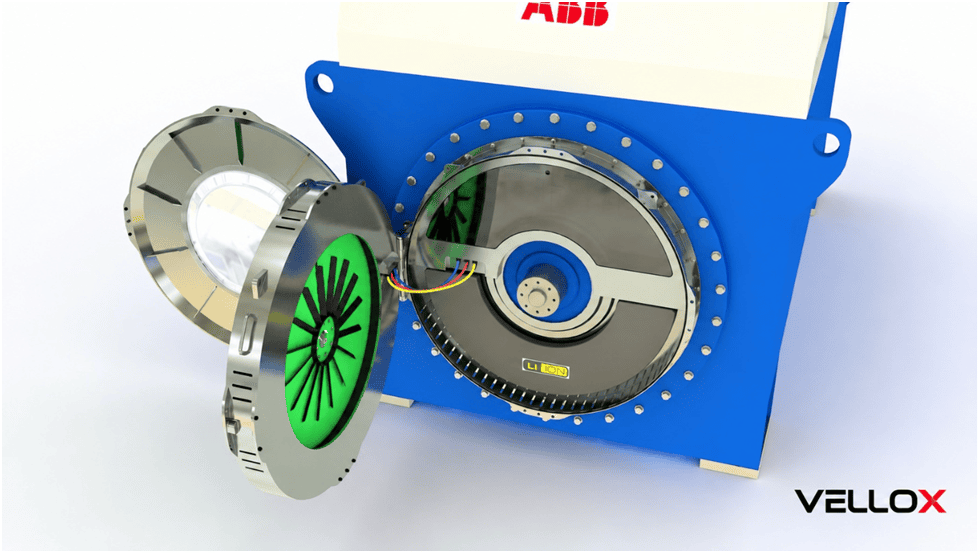
Exploded view of a SpinG™ unit showing the Remora™ prime mover separated from a 7 MW industrial electric generator, illustrating Remora™ + electric power generator = SpinG™

Remora™ = Prime Mover

REMORA™ + ELECTRIC GENERATOR = SpinG™

MODULAR POWER ARCHITECTURE

SpinG™ Advantages

01

Modular & Scalable Generation

SpinG™ is conceived as a modular architecture, configurable from small distributed units to multi-generator industrial power plants, so capacity can be designed around the application.

02

Grid-Independent, Point-of-Use Deployment

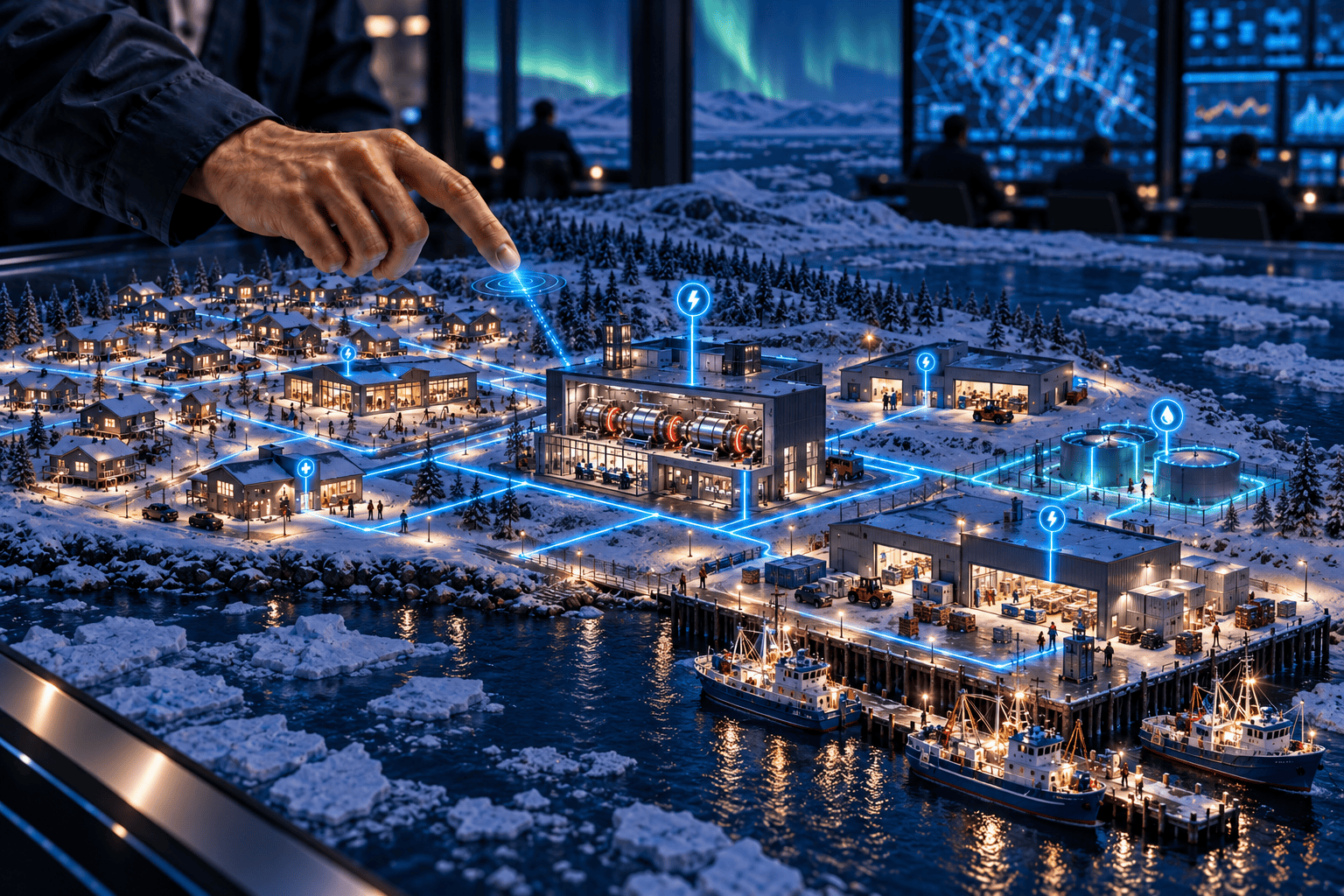
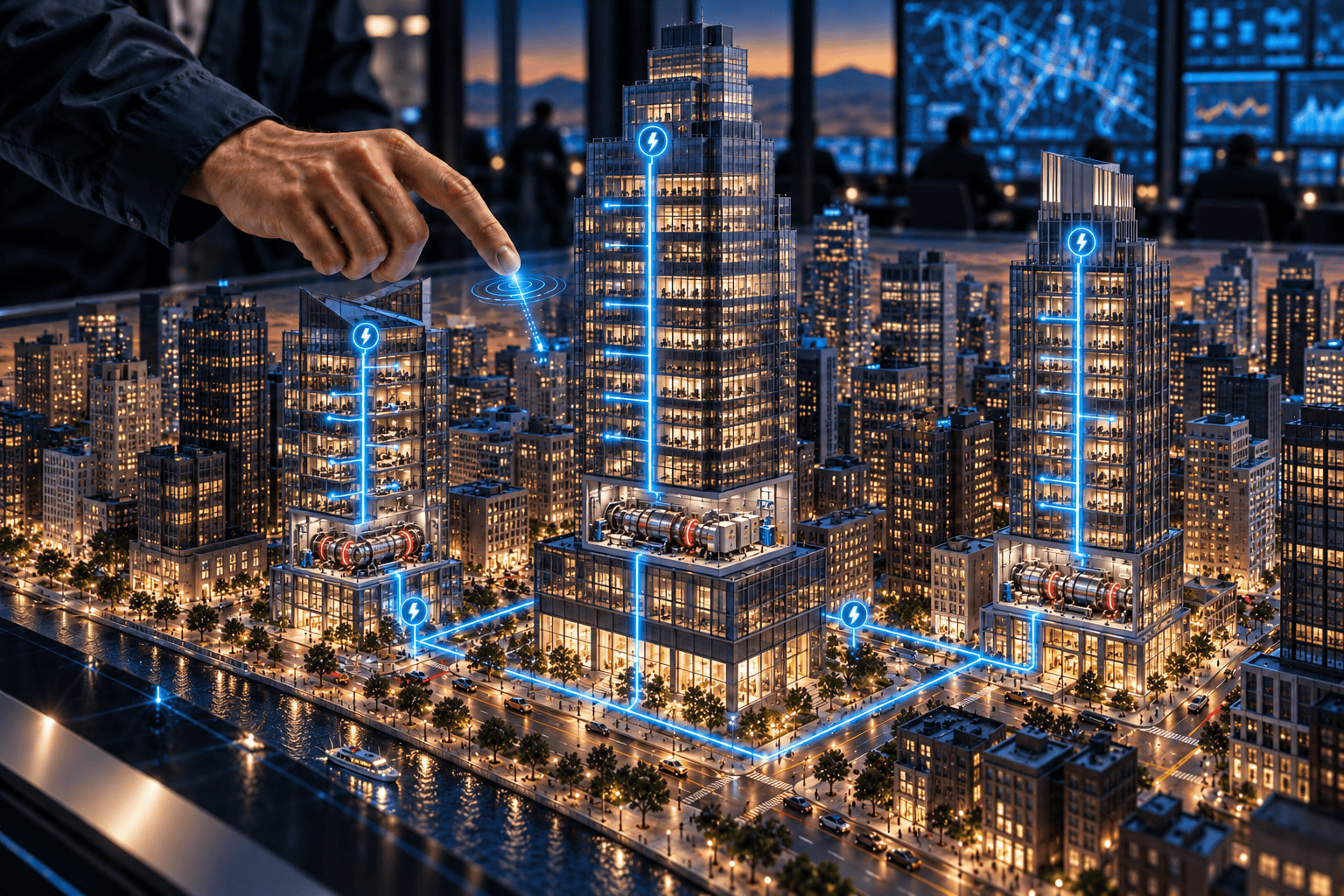
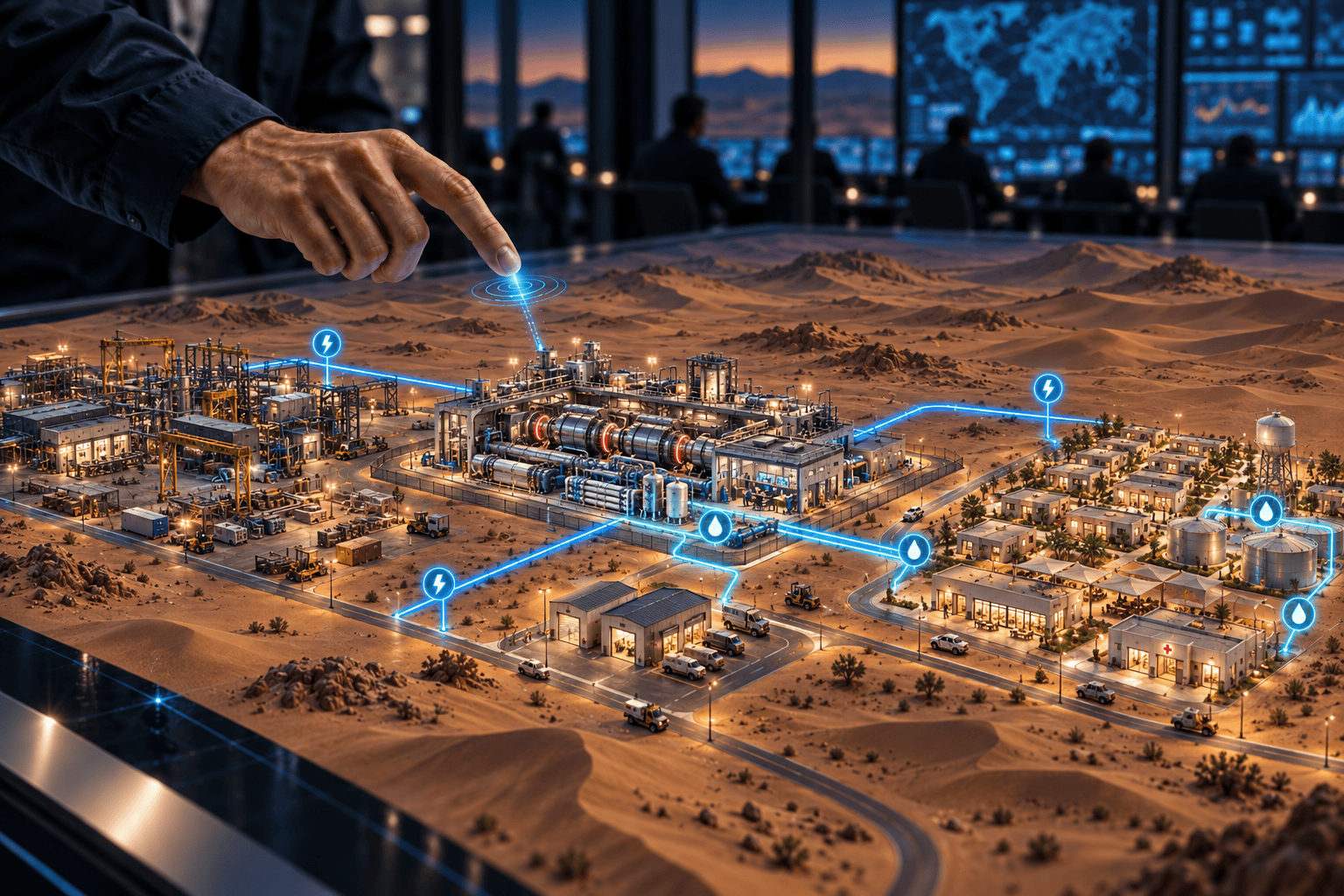
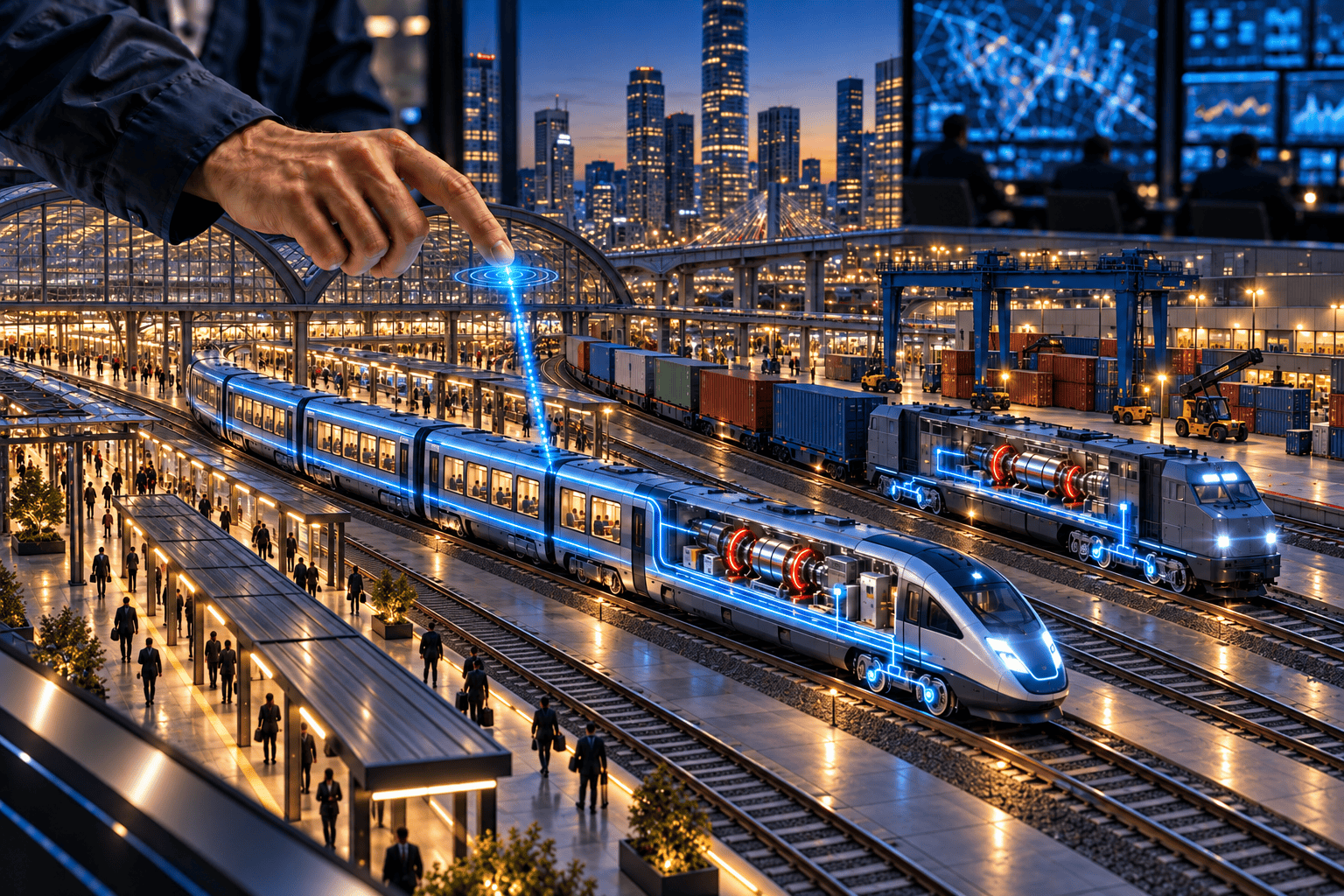
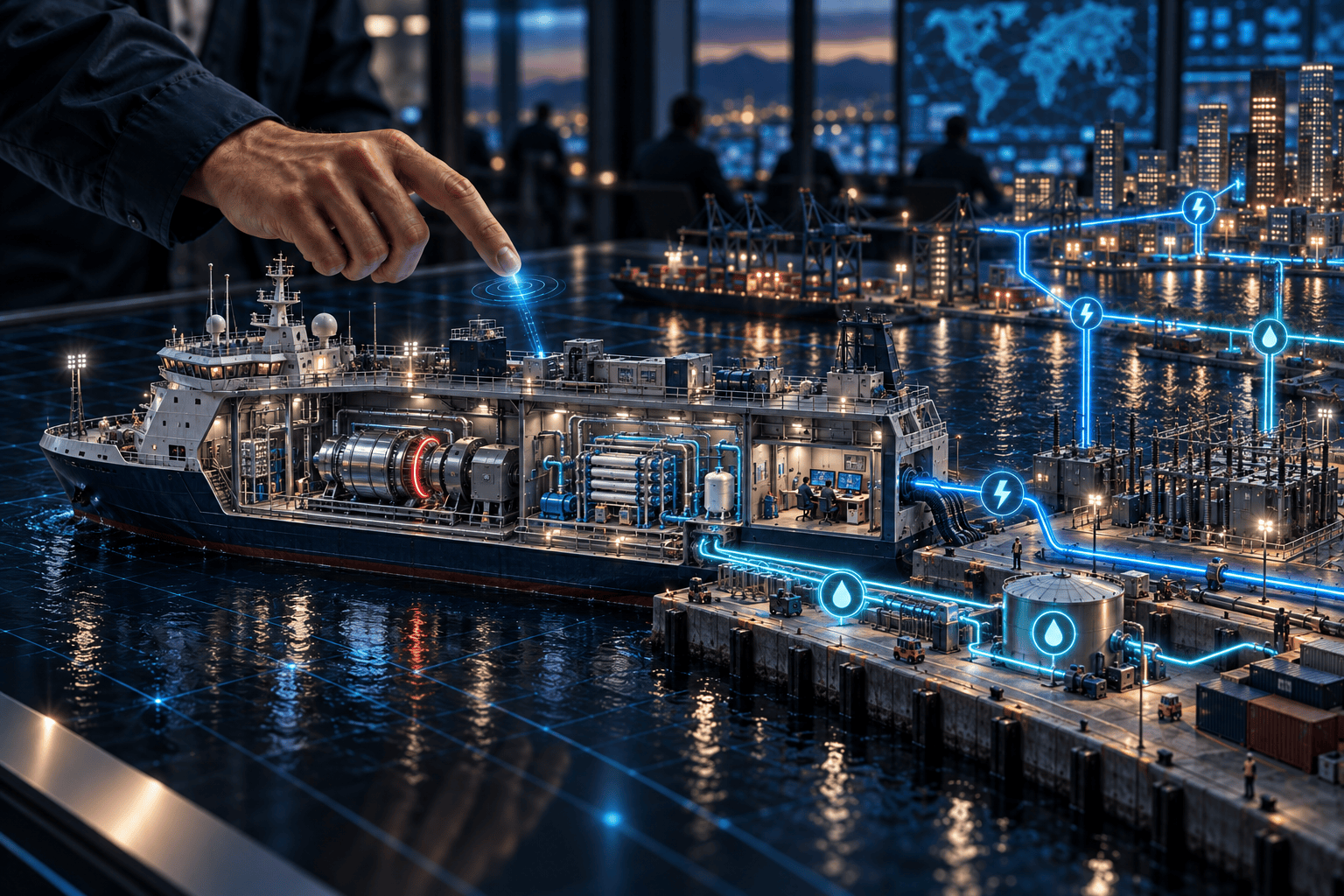
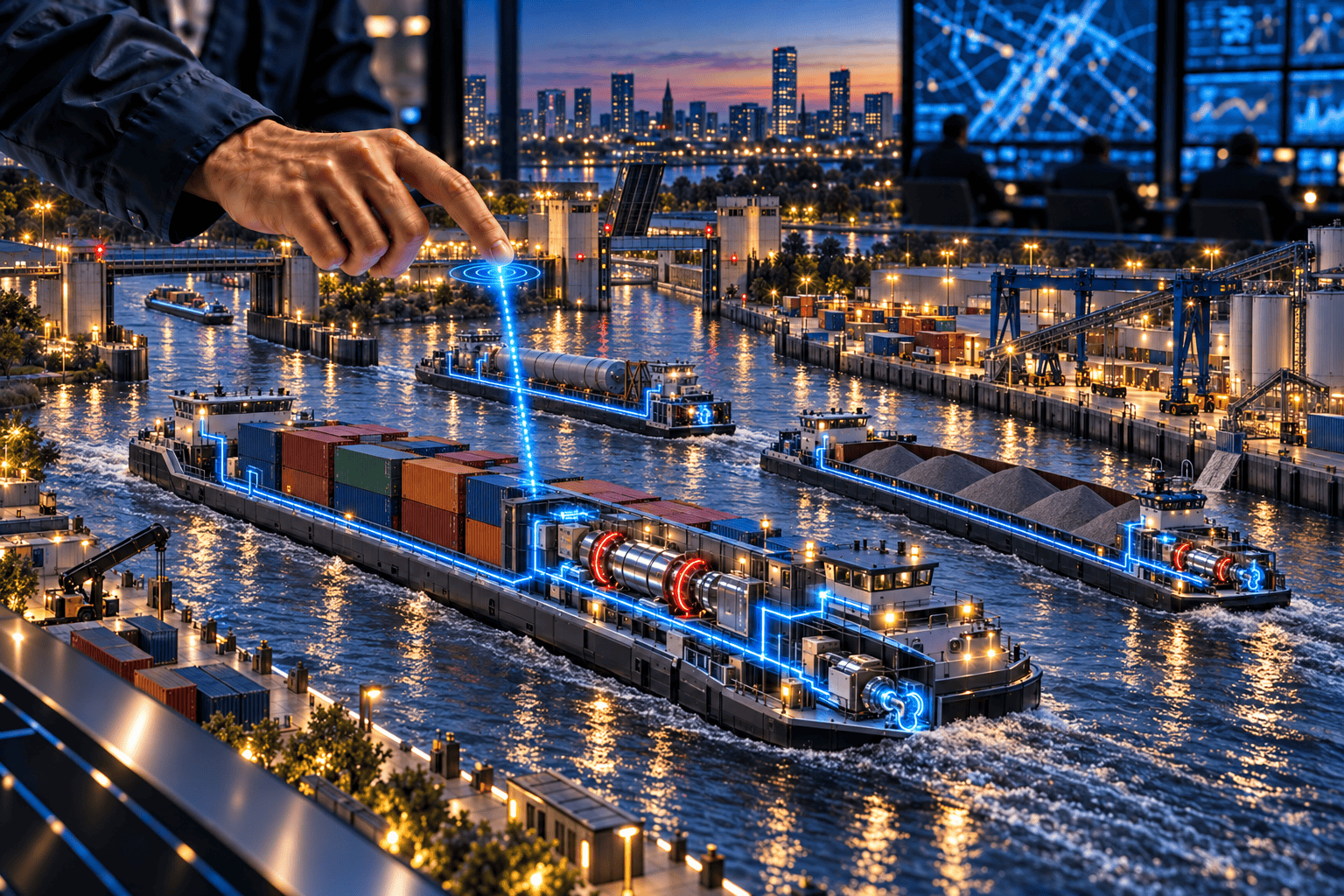
SpinG™ is designed to generate electricity at or near the point of consumption, including data centers, industrial campuses, ports and sites where conventional plants or major grid infrastructure are impractical. This point-of-use architecture could allow substantial generating capacity to be installed closer to major electricity consumers.

03

Non-Combustion Operation

Remora™ does not rely on combustion to turn the generator shaft, so SpinG™ is designed to operate without the NOx emissions and engine noise of diesel engines and gas turbines.

04

Reduced Transmission & Fuel Infrastructure

Generating close to the load can reduce dependence on long-distance transmission and its losses, and removes the need for continuous fuel delivery and storage.

SpinG™ installations would remain subject to applicable electrical, building, fire, environmental and local approvals. However, their non-combustion architecture may eliminate certain permitting categories associated specifically with fuel storage, exhaust and combustion emissions.

05

Resilience & Modular Redundancy

A multi-generator configuration can provide modular redundancy. Individual units could potentially be isolated for maintenance while others continue supplying the load, and a disturbance elsewhere on the grid need not interrupt a grid-independent SpinG™ facility, subject to the final plant architecture and reserve capacity.

06

Remote Monitoring & Control

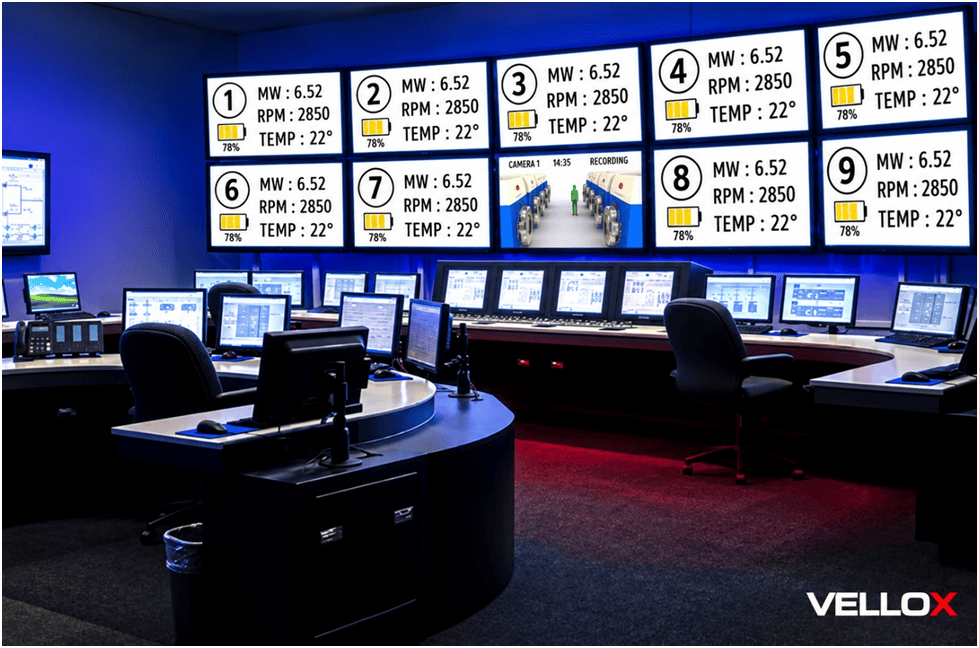
Remora™ CPU, torque/RPM sensing and remote-control capability provide the foundation for plant-level supervision. This architecture is intended to support centralized monitoring and control of multiple SpinG™ units.

Rendering of a SpinG™ power plant control room where operators monitor nine SpinG™ generating units, with live output, RPM and temperature for each unit on a video wall

Development objective: SpinG™ is being developed with the objective of substantially reducing the cost of distributed electricity generation. Commercial electricity cost, capacity and system efficiency remain subject to industrial prototype testing and validation.

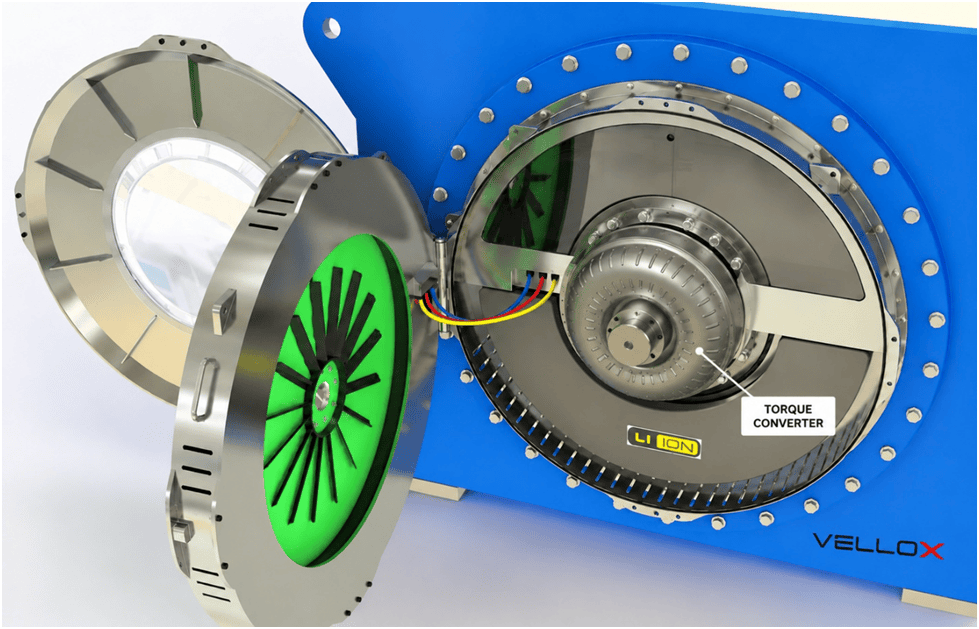
Remora™ prime mover opened beside an electric power generator, showing the flywheel and the mechanical torque converter on the generator shaft

Conceptual configuration: one Remora™ paired with a 7 MW generator

Vellox illustrations use a 7 MW ABB electric power generator as an illustrative industrial reference. Remora™ provides the controlled rotation and torque at the generator shaft; the generator converts it into electrical power.

The generator-shaft architecture also incorporates a mechanical torque converter, which helps manage changing torque and RPM requirements between the Remora™ prime mover and the electric generator, with the design objective of increasing workload efficiency.

The Next Generation of Electric Power Generators

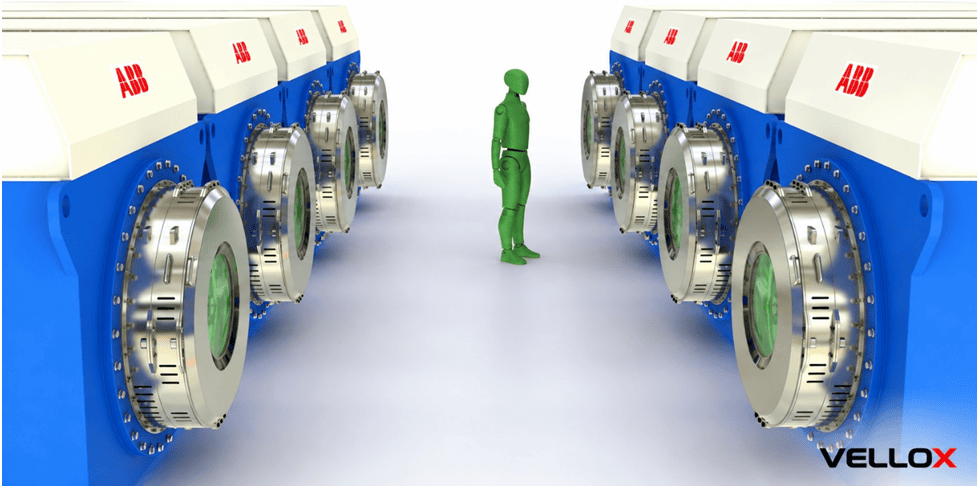
SpinG™ power plant with eight 7 MW generating units in two rows totaling 56 MW, with a human figure for scale, showing a footprint about the size of a basketball court

7 MW generator shown as an illustrative industrial reference configuration. Commercial capacity, cost and performance remain subject to prototype testing and system validation. ABB is not affiliated with or endorsing Vellox or the SpinG™ technology unless otherwise stated.

SCALABLE ARCHITECTURE

From a Single SpinG™ to a Power Plant

Multiple SpinG™ units can be integrated into a centrally controlled power plant, with each Remora™ operating its associated electric generator and the overall installation monitored and managed through the Vellox control architecture.

For example, eight SpinG™ generating units with 7 MW generators:

56 MW combined generator nameplate capacity; achievable system output subject to industrial prototype validation.

The generator is familiar. The difference is what makes it spin.™

SPING™ SCALABILITY & DEPLOYMENT

SpinG™ changes where electric power generation can be located.

If the industrial prototype validates the performance we are targeting, the proposition is that electricity generation could move closer to the load—a data center, industrial platform, port, desalination plant, large building or other major consumer—rather than requiring the load to be built around access to the grid.

The compact, modular architecture is intended to enable substantial electric-power generation close to where electricity is consumed, without the extensive land, fuel-handling infrastructure and combustion systems of many conventional power plants.

Generate power where the power is needed.